

We at Camera Coverage have been attending to the 2019 edition of the biggest film festival in Portugal and thought of speaking a little bit about the films we have been able to see. We got our heads around the whole section of the films in competition to the festival’s awards, and some of the new releases on other sections of the festival. Between all of these we thought of making our brief selection of films that are for us the highlights of the festival. Also, from Wednesday forth we are thinking of making more focused texts on what we think is our favourite of the festival, and the films that were awarded by the selected jury of the festival – that are to be announced in the 24th of November.
For our list we have picked three highlights from the festival selection in the competition.
Atlantis, by Valentyn Vasyanovych

This year’s competition was packed with two films from the old Eastern Block that find themselves in somewhat the same category. These are The Criminal Man, by Dmitry Mamuliya and the afforementioned Atlantis, by Valentyn Vasyanovych. Both of these films are paced with care and drag the viewer into a very slow pacing, being easy to put them in what some call the “slow-cinema” category. However, while Atlantis presents consisted cathartic and poetic imagery, The Criminal Man seems to be a film in which there is a great central scene – arguably greater than any scene in Atlantis – and feeling a bit empty in comparison. Atlantis is a film that has its setting in a dystopic post-war Ukraine, following a main character suffering from PTSD. There are many scenes of despair, many moments where we may be led to think that Vasyanovych really has no hope for his country and his people after the consequences of the war. By the end though, we are faced with this flash of light, as poetically depicted as any of the shades of grey previously presented in the film, that remind us that the power of love and humanity is strong enough, not only to be reborn from the remnants of such war, but I would even say taht there is here a suggestion that this light may even prevent us from falling into this dark utopia if we keep it close to us.
Beanpole [Dylda], by Kantemir Balagov

Arguably one of the most talked about films in the festival scene, Kantemir Balagov’s Beanpole deserves every bit of the attention it has received. The film deals with a plethora of complex themes, and presents them with, however extreme, 100% believable situations. The fluid sense we have – much of it provided by a sober set and art design – between all of these is impressive. From war trauma, to poverty, to complex romantic and motherhood dynamics, Beanpole seems to gather all of this seamlessly. It is a beautifully shot film, with a strong sense of colour and aesthetics, including a dynamic camera that switches from being handheld and really shaky to fluidity and steadiness at a pace that is hard to notice as we are mesmerized with everything that is being portrayed. The sense of pathos in Beanpole is the probably one of the strongest from the festival, and the performances are certainly the most convincing. A cinematic treat for the eyes, and an always important reminder of what extremes can the human soul deal with.
Fire Will Come [O Que Arde], by Oliver Laxe

A personal favourite of ours, O Que Arde by Oliver Laxe is one of the most subtle and gentle depictions of the complex nature of human beings. Between the beautiful landscapes of Galicia and their absolute destruction there are humans and their complex, but nonetheless consequential, relationships. We follow Amador through his journey back home from being imprisoned for causing a massive forest fire in his region. He deals with his everyday chores in the countryside, next to his mother Benedita – a charming powerhouse of a 80 year old woman. There is a sense of silence and of the ephemeral throughout the whole of the film, despite the absolute chaos that is the nature of human existence. Even when filming the forest fire scenes there is a sense of calm, a sense of beauty and a sense of sobriety that gives opportunity to the viewer to mingle on the many subjects the film can extract from our lives. Family, ecology, social life, the rural world, decadence, destruction and limits. All of these and none of them at the same time. O Que Arde is without a doubt one of our 2019 favourites.
Other honourable mentions:
Tommaso, by Abel Ferrara
Balloon [Qi Qiu], by Pema Tseden
Atlantics [Atlantique] (out of competition), by Mati Diop

 A film well worth noticing for its dark environments, captured as pristine as possible by Costa and his usual collaborator Leonardo Simões
 Ventura


 “Angela, what an unexpected pleasure”
 Baron Ferdinando “Fefè” Cefalù and his wife Rosalia
 Not the dynamic duo that a zombie apocalypse world needs, but the one it deserves.
 What else could Tilda Swinton play in a Jim Jamursch directed zombie film than a Scottish (???) samurai mortician.
 Saifei Ha as Meishan, the second wife, an opera singer.
 The quest for power of these wome led to lies such as fake illness, and even fake pregnancy.
 Behnaz Jafari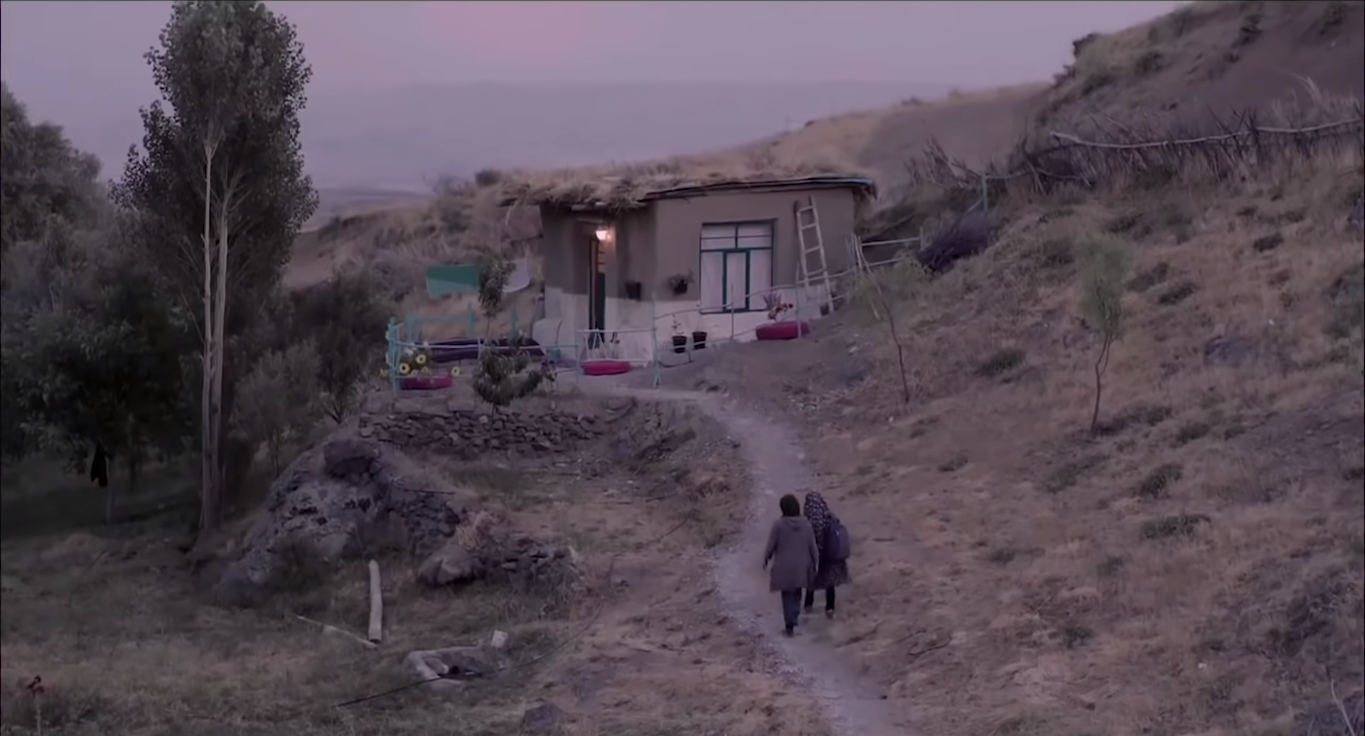

 Alice as, in a genre bending role, The Other Woman, a New Yorker intruding a troubled marriage between a Serbian (Irena) and an American (Oliver).
 Another example of suggestion – in this case premonition – of a scene through shadows and objects. If you look closely you can observe the shadow of the bird and its cage projected onto the black panther image, predicting what would later happen in that scene regarding the bird’s death.

 The haunting Haemi dancing scene
 The duel with Elvis
 Velazquez’s Infanta Margarida attack
 Camera Coverage