
(eng:The Emigrants / The New Land)
Directed by Jan Troell

The construction of the modern United States was a long and laborious process that encompassed many hardships by the countless ethnic groups that help created. Millions of people from all around the world embarked on ships to the American continent with the hope for a better life, incited by the “American Dream” that would bring freedom and economic prosperity, something lacking in their place of origin. Unfortunately, the country was built with more than free labour, with slavery and other racist cruelties being imposed to certain ethnic groups.
 “Many slaves have better dwellings, food, clothing and working conditions than most peasants in Europe”
In these films, the focus is given to a Swedish family in the mid-nineteenth-century. Sweden is represented far from the image of prosperity that we relate with today’s Nordic countries. It is primarily an agricultural economy, with an engrained protestant ethos. It’s a difficult life, with years of bad crops creating harsh conditions of life, allied with religious persecutions. The film takes focus on the couple made up of Karl Oskar (Max von Sydow) and Kristina (Liv Ullmann), inhabitants of Smalanda, a small farming town. Despite the economic difficulties their family grows, ending up with four offspring. The idea of emigrating to America is conveyed to Karl Oskar by his brother Robert (Eddie Axberg). Kristina refuses fearing for the safety of her children during a arduous transatlantic voyage. The death of their oldest daughter to overeating unfermented grain finally convinces the wife to abandon her hometown and embark on a perilous trip to United States. After selling everything they have, the trip begins, with some family friends and religious exiles.
One moment that is one of the biggest highlights of the film is without a doubt the farewell to their hometown. The director Jan Troell does a stellar job focusing the faces of the ones leaving that impoverish and grey land. The looks to the ones that stay, whether be family or old friends, are a sight that knows that is almost certain that they will not return to this place. It is a bittersweet feeling that almost makes the viewer a passenger in that old wagon that will take them to the boat. It’s without a doubt a very powerful scene that truly shows the experience of leaving one’s home country and all the contrast of feelings with that situation.
. The ones that stay behind
The boat trip that follows shows, in a unique kind of manner the horrendous way that travelling the Atlantic Ocean was for the lower economical classes. Unlike today, the trip lasted for weeks, in an overcrowded boat, with very few preoccupations with hygiene, food or the comfort of its passengers. This kind of conditions are perfect for the transmission of diseases, and even the death of some of the passengers. It’s a claustrophobic feeling inside the large ship, leaving the viewer almost as anxious for the end of the trip as the travellers.
This kind of hardships and the detail for realism depicted in the films certainly makes the viewer feel a certain compassion with the characters. These moments portrayed are not gratuitous displays of poverty and the horrors of it just to shock the viewer or to take cheap lessons of humbleness from it. They are a part of history that sometimes is either forgotten or romanced by the newer generations. The United States of America were formed by emigrants that went to great lengths to give themselves and their descendants opportunities of life impossible in their countries of origin. It is certainly ironic that some of the people that descended from these impoverish and in need migrants now display fearmongering views against ones in similar situations.
Clocking more than seven hours of time length, both the films show a crude and genuine view during this period. They are sometimes slow movies and that take time to develop. Sydow and Ullman have truly a remarkable and honest performances, marked by a deep complicity with each other, and are accompanied by a cast of interesting and sometimes quirky secondary characters.
 Film poster for Nybyggarna (1972)
As a follow up for Utvandrarna we have Nybyggarna (1972) by the same director, where we can follow the journey of the Karl Oskar’s family as they settle in a terrain In Minnesota. Here we are introduced to new problematics that challenge the idea of the so called “American Dream”. The richness of the new land is not enough for his brother Robert so he decides to go West, chasing the California Gold Rush. The war against the Sioux, a Native-American tribe (in the Dakota War of 1862) leaves his family in peril, with some perishing to indigenous warriors. On top of that, his wife has several problems with miscarriages and ends up getting dangerously ill. Like mentioned above it was a very difficult life in Sweden, but the change to America doesn’t seem to make it that much better. It’s a dangerous and lawless land and it would take years to create a stable State and a better growing economy. For ones interested in the knowing how the United States came to be, both the films are unavoidable because they create without a doubt a mental picture of the time that cannot be comprehended only by reading history books. It gives a voice to these people that made the ultimate sacrifice for a better future for them despite terrible adversities.


 Shadows and reflections are essential elements of the film
 The already iconic shot from Us
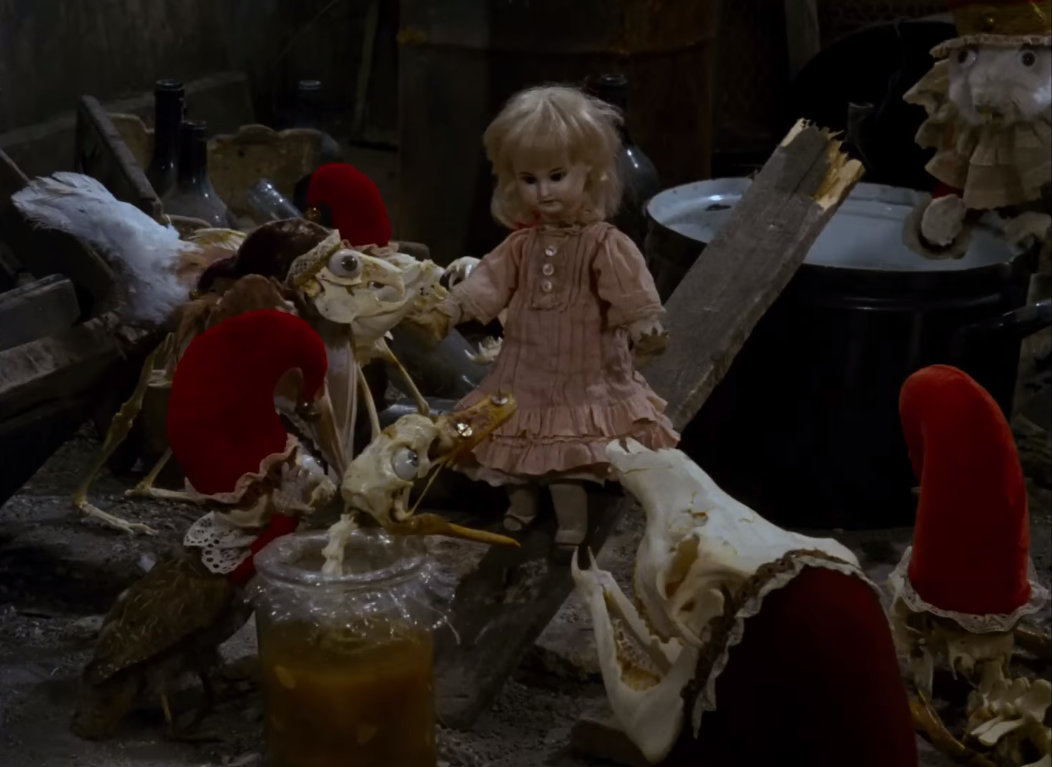 Alice shrinks into a doll.
 Probably the most unsettling scene in the film, the infamous tea party.
 “Off with their heads!”
 “You never thought about stopping?”
 “You must be a ghost to be wandering so late at night”
 A dance before the sudden atack

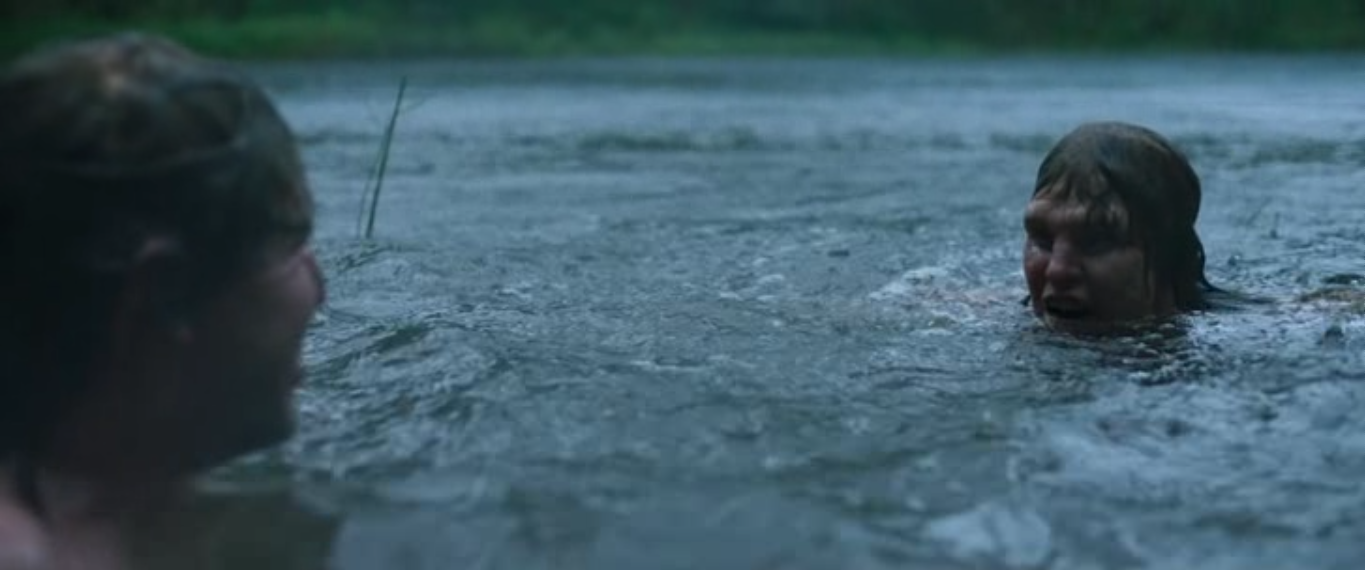 One of the great visual moments in Gräns
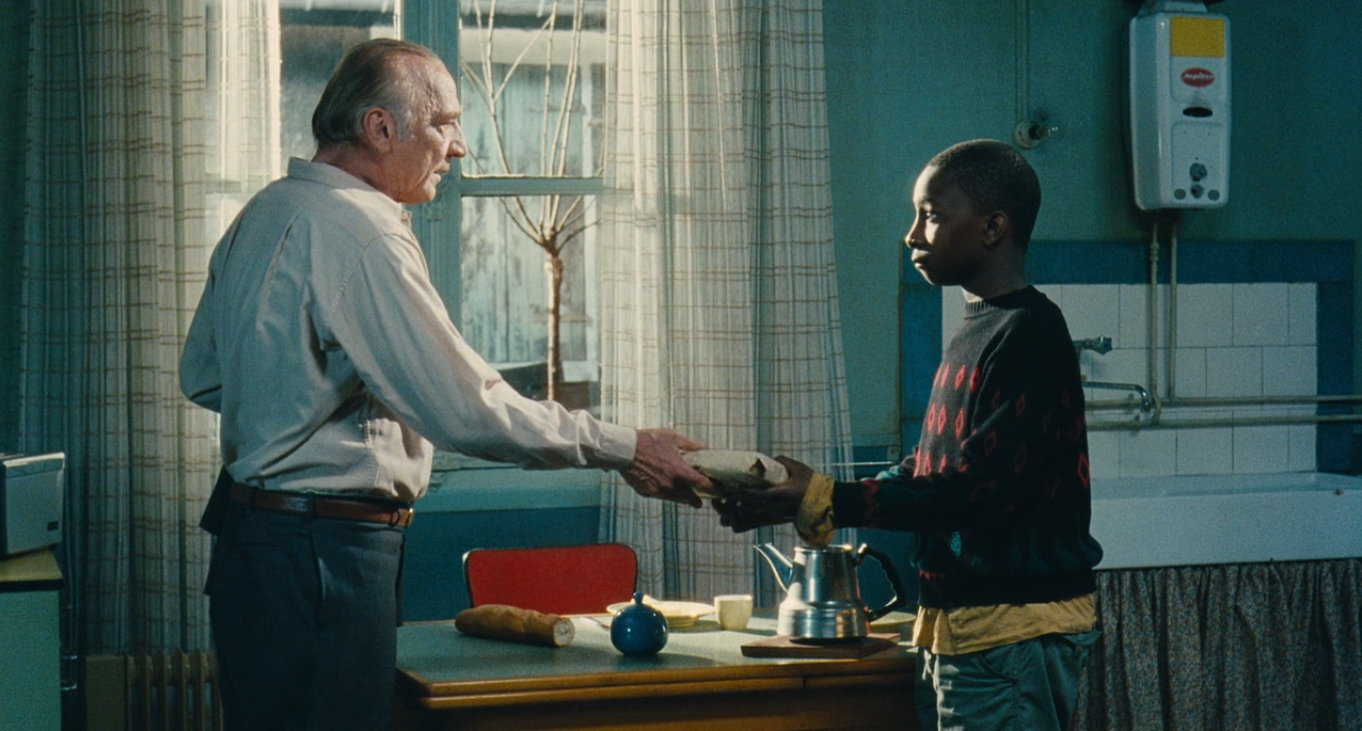 “- Where are you going? – London.”
 The ultimate cinematic miracle
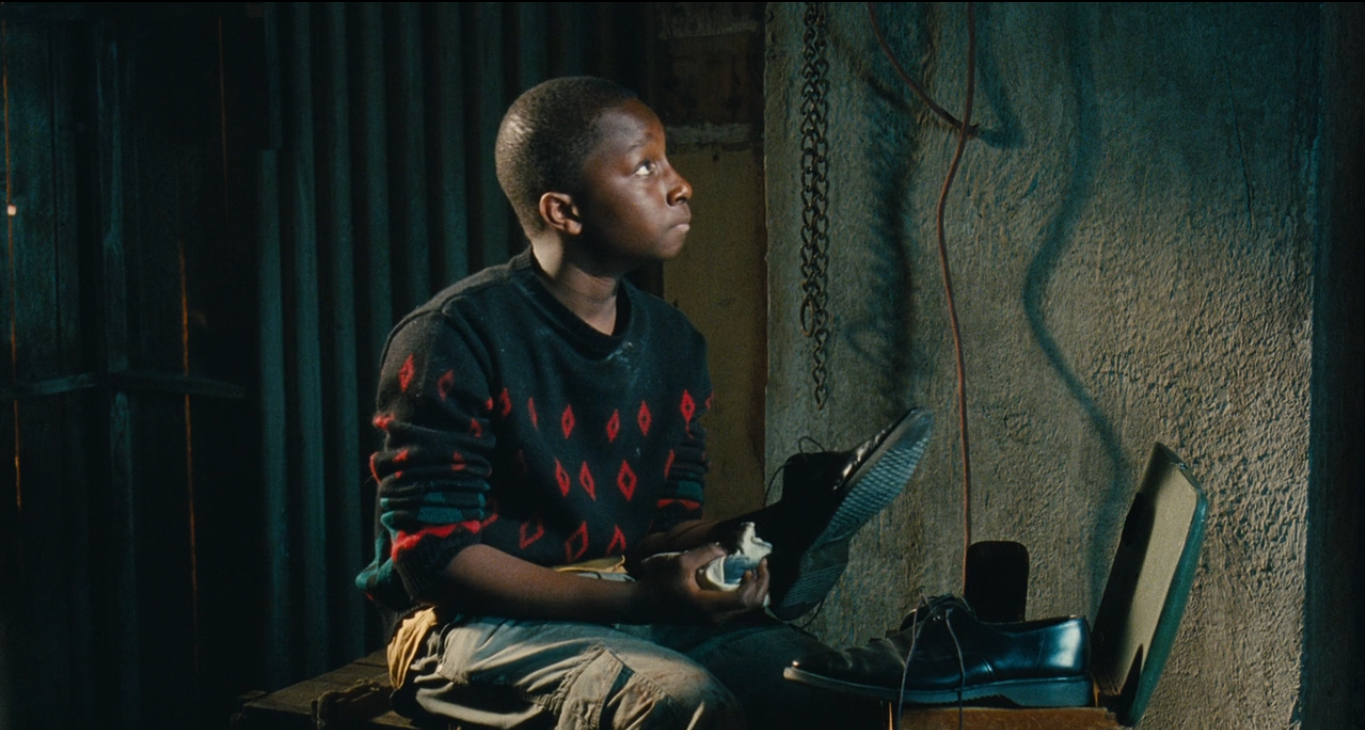 Idrissa
 The first meeting in Don Shirley’s house
 “Thats why you drivin’ him around. You´re half N- yourself”
 The two gang leaders
  “I’ll protect you!”
 “So when will we see each other again?”
 Camera Coverage