
(original title: O Dragão da Maldade contra o Santo Guerreiro)
Directed by Glauber Rocha

“Fight with the strength of your ideas. They are more worthy than me.”
Glauber Rocha was the leading figure of Brazil’s Cinema Novo (New Cinema) movement. This period of Brazilian cinema is characterized by it being deeply influenced by the subversive nature of the Nouvelle Vague and the social consciousness of Italian neorrealism. Considering the importance of this movement, and the importance of Glauber Rocha especially, to the cinema that followed it, I decided to pick what is probably one of the most iconic and highly acclaimed films from this period, Antonio das Mortes. This western-ish film is a prime example of all the characteristics of the movement. It displays the deep passion for the art form and a clear and unashamed political statement that, despite being more relevant considering the socio-political situation of Brazil at the time, pushes its universal themes higher. Also, if we consider the current political scenery in the country, we can quickly find some of the more universal statements of the film surprisingly poignant to a public inside and outside of the contemporary realities of Brazil.
The situation presented in the film is the hiring of Antonio das Mortes (Mauricio do Valle) to help some businessman to get rid of the cangaceiro bandits. As a mercenary, and together with his association with the villainized land owners, his quest for cleaning these lands leads him to a revelation of who is in need of real help. The main idea in the film surrounds this realization of Antonio das Mortes’ identity. This translates into a realization of his national identity and his spiritual identity. Glauber’s film is filled to the brim with cultural (especially religious) imagery that is notoriously Brazilian. The path he walks fights the evil tendencies of capitalism in the country and the protectionism that was due to the military dictatorship that was in rule during the film’s release.
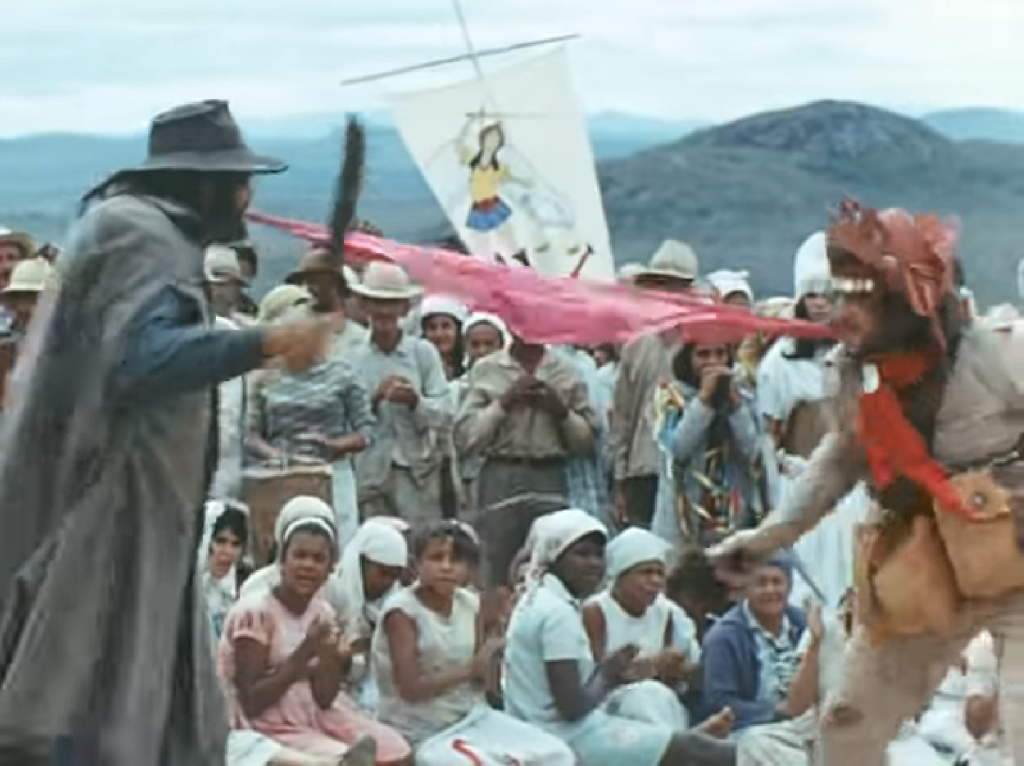
The political inclinations of Glauber’s work are easily observed, and Antonio das Mortes is no different than Land in Anguish (1967) for instance. Marxist belief is crystal clear in the film’s presentation. However, having that said, the fundamental questions proposed in Antonio das Mortes show that there was a resistance to the opressive government of the time. One could say that Glauber’s ideology is näive, but the intensity of his imagery regarding cultural identity give the film a surrealist and almost transcendental feeling that go beyond the political statement it was presenting in 1969. Juxstaposing it with an interpretation of the traditional Western film tropes (one could say that the cangaceiros in Brazil are almost like the cowboy mercenaries in the US), the director is creating an incredibly cathartic experience that has a lot more to say regarding the true singularity of Brazil’s cultural life than just overlapping the film’s plot with politics.
The essencial marxist dilemma of this particular film is that there are those who own and those who do not own. Facing this situation, Antonio has to make his decision on who to help, as he does in the film’s remarkably poetic ending. This decision has a lot more implications that it may seem at first, though. By helping the ones in need, Antonio as a mercenary is liberating and delivering to these supposedly “digressive” people what was taken from them, in an almost Robin Hood-esque fashion. By doing so he regards the beautiful exotic distinctiveness and individuality of the ‘real’ Brazil over the bourgeois corruption of the masses represented in the film as the businessmen.
The film’s plastic aspect contributes greatly to its themes. The soundtrack in the film is mainly illustrative, adding an almost Greek chorus-like element to the whole piece. Visually it may be regarded as exotic, hyperbolic and exaggerated. However, the insistence on the Western tropes together with their metamorphosis with Brazilian imagery show how Glauber’s care for the representation of this foundational and almost spiritual Brazil transcends the film’s plot.

If you are into foreign films that feel truly foreign, that feel truly exotic and culturally different, then Antonio das Mortes is a must watch. I tried to make justice to the film, and tried to avoid the possibly distasteful analysis of the film’s politics, but this is a work to be experienced. It is as real and poetic as you can get from a country that is in a dire need for some sort of rehabilitation of tradition and identity in the best possible way, as much as it is in need of a recovery of some of the values that Antonio finds throughout his journey.

 The surreal place that Diamantino goes when he plays
 Diamantino and his “adoptive son”
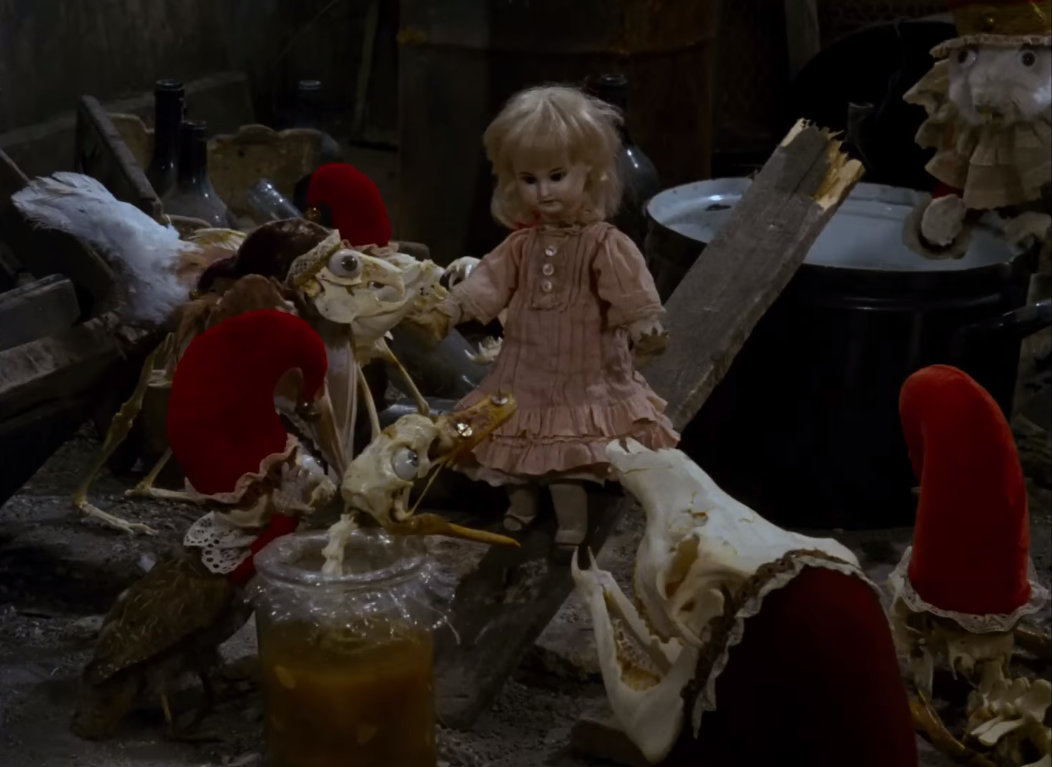 Alice shrinks into a doll.
 Probably the most unsettling scene in the film, the infamous tea party.
 “Off with their heads!”

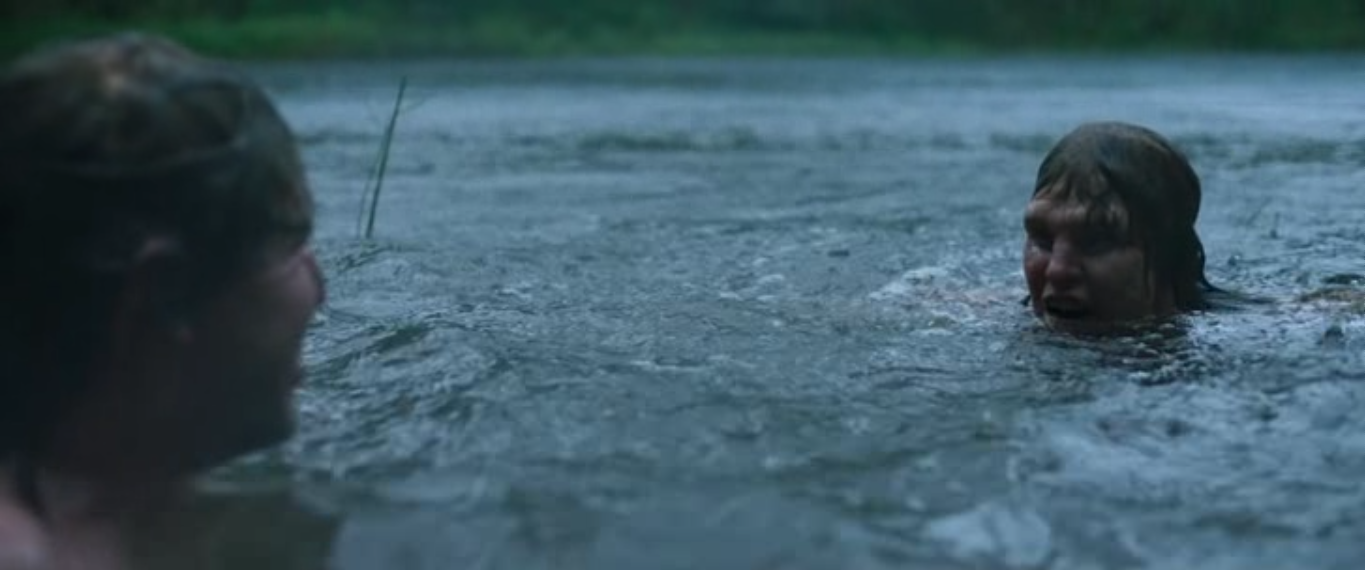 One of the great visual moments in Gräns
 Camera Coverage