
Directed by Claire Denis

“It’s just a new religion for you.”
The presence of female directors in the worldwide film industry unfortunately is still somewhat lacking. For instance, over the last decade only 4% of the top 1,200 studio films were directed by women. Despite the odds, Claire Denis has throughout her career established herself as one of the most important French directors of the last decades. Her directing highlights go from Chocolat (1988), a film about France’s post-colonial issues; or Beau Travail (1999), dealing with the memories of war from French Foreign Legion soldiers. In this last one is especially interesting that themes like hypermasculinity and repressed homosexual feelings are explored by a female director, giving it a fresh new look on war films.
Claire takes now a shot at the science-fiction genre with High Life. The film tries to add new perspectives to what it means to be human when you are enclosed in a small spaceship far away from earth. It is not an easy task since the theme is well documented already, for instance in film classics like 2001, A Space Odyssey (Stanley Kubrick, 1968) or Solaris (Andrei Tarkovsky, 1972). However, High Life is quite a different experience and references new ideas and problematics.
 The great use of red lighting
The plot functions around a group of inmates whose life sentence is to collect an unknown form of energy somewhere near a black hole. The intricacies deepen as we are introduced to the different individuals that compose the unlikely team. Dr. Dibs (Juliette Binoche) is a doctor obsessed with collecting sperm samples from the male crew members and then artificially inseminate the female ones. Failing to do so constantly she decides to double the sedative dosage and, through rape, collect the sperm from Monte (Robert Pattinson), the star of the film. The sexual tension is raised even higher with the introduction of this masturbatory machine that all of the crew, but Monte, use regularly. In a somewhat full of sexual tension and at the same time somewhat eerie scene (with a vibe that reminded me the killings in Under the Skin (2013) ) we see Binoche ride this contraption called “The Fuckbox”. In a complete trance-like state, this machine with a dildo end is set in a dark room with bondage straps hanging up from the ceiling. Making a companion to the heavy sexual tone is also the violence between the team. In a way it’s like the film tries to associate the presence of one with the other. It may start as a sexual violence situation like rape and end up in murder. These are a group of people that have lost a sense of purpose in life due to the uncertainty of their future and the claustrophobic aspect of living in a small ship in deep space.
 Inside “The Fuckbox”
The film begins with Monte living with a small child, alone in the spaceship. We later get to know that that child is the only success of Dr. Dibs and her mischievous tries to create newborns. Despite being an unwanted child, in a way it truly saves Monte from the same fate as his crew. Denis tries to show, especially between Monte and his little girl, some positive aspects about Humanity. In the final scenes we get to experience the wholesome relationship between the two until the ambiguous ending.
Its an interesting concept but not without its flaws. Starting with the cinematography, its somewhat lackluster, especially if we are talking about a revered director like Denis. The exterior space shots feel cheap and not very interesting either artistically or realistic, either way. Inside the spaceship it does get that much better. With points taken by the brilliant use of red light, there isn’t much there that blows you away. Maybe Denis was going for an homage to the spaceships of the 70’s because sure feels like we’re in one. The cast works well, especially Pattinson, but the dialogues feel sometimes forced and don’t add much to the plot.
It’s a peculiar film that will not appeal to the major movie goer for sure. It explores the most raw and vicious aspects about our sexuality and capacity to engage in violence. Nonetheless it’s not a missed shot by any means. Under its flaws there is a sense of novelty remarkable in this stage of her career, a director now 72 years old.
5 out of 10

 “Many slaves have better dwellings, food, clothing and working conditions than most peasants in Europe”
 The ones that stay behind
 Film poster for Nybyggarna (1972)
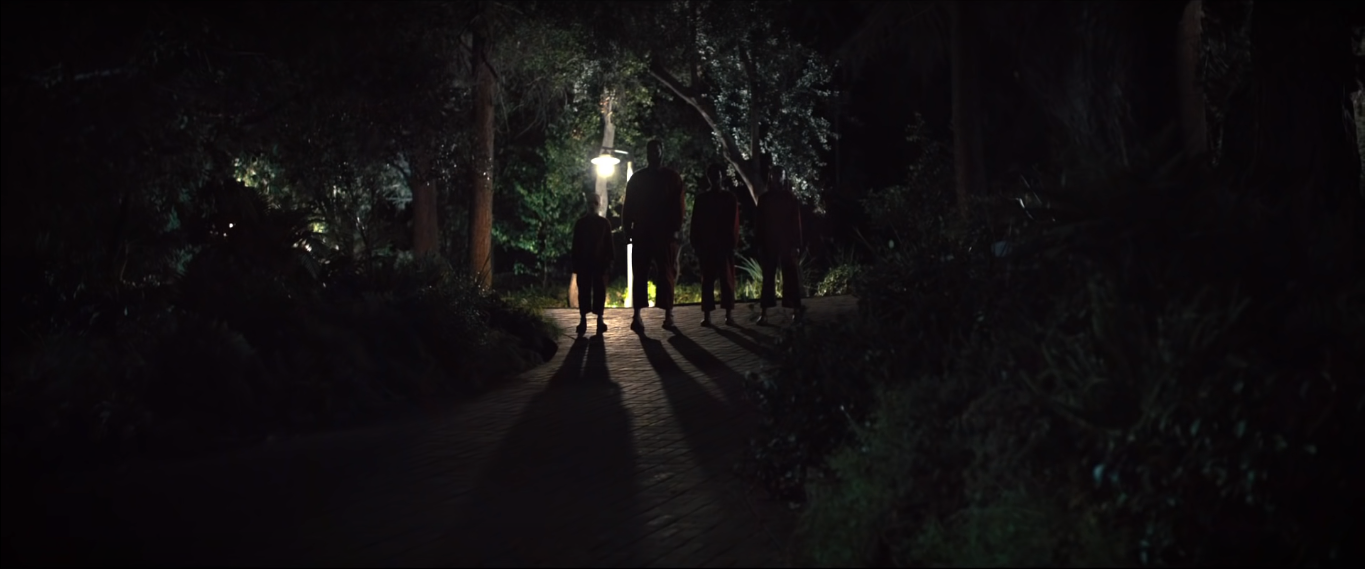 Shadows and reflections are essential elements of the film
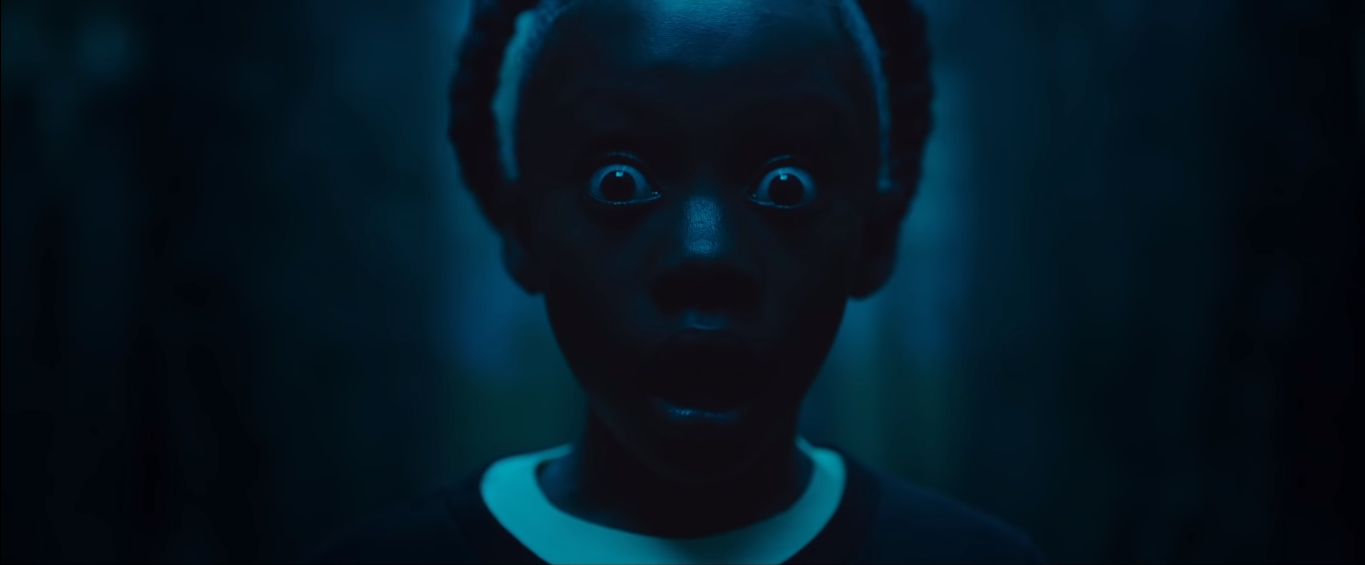 The already iconic shot from Us
 “You never thought about stopping?”
 The first meeting in Don Shirley’s house
 “Thats why you drivin’ him around. You´re half N- yourself”
 Camera Coverage